
Greece brings people together in a way few countries can match. Families, friends, sports clubs, school classes and work teams all find something to share here. Ancient temples, bright beaches and long tables of food wait for everyone. Well-organised Greece tours turn that shared dream into relaxed, memorable days where nobody has to plan everything.
Across the country, the choices are wide and easy to combine. Some groups explore historic ruins with an expert guide, while others sail between quiet, sunny coves. Many trips include meals, drinks and entry tickets. This guide from My Greece Tours explains the sights, the trip types and the useful extras, region by region.
What Do Greece Tours In The Capital Offer Big Groups?
Greece tours in the capital give big groups famous ruins, excellent museums and lively streets. Expert guides keep everyone together, and the coast is only a short drive away. Groups can compare Greece tours and Tours In Greece to find the right fit for every age, energy level and interest. Athens makes an excellent base.
Which sights make the capital special?
The Acropolis hill rises above Athens, proudly crowned by the Parthenon. This marble temple honoured Athena, the wise goddess who gave the city its name. On the southern slope sits the open-air Theatre of Dionysus. Ancient audiences laughed and cried at plays on its stone seats, so groups stand exactly where theatre was born.
Below the hill, the modern Acropolis Museum carefully protects the original statues from the summit. Glass floors let visitors look straight down at ancient streets uncovered beneath the building. Nearby, the Roman Agora was a busy marketplace. Its Tower of the Winds is a marble clock tower decorated with carved wind gods.
Hadrian’s Arch, a stone gateway honouring a Roman emperor, once divided the old city from the new. Close by, the National Garden offers shade and peaceful ponds. Psyrri, a historic neighbourhood full of street art and tavernas, comes alive after dark. Cape Sounion holds a temple to Poseidon, the sea god, high above the waves.
Which Greece tours make the capital easy?
Private tours with a driver-guide or skipper suit families with small children and grandparents who tire easily in the heat. The van or boat belongs to the group alone, and the plan changes to match its mood. Because these trips are priced per group, a full vehicle keeps the cost for each traveller pleasantly low.
Boat cruises with swim stops suit friends and work teams who want sunshine and sea after the ruins. Guided walking tours suit school groups and curious adults, because the guide turns broken stones into exciting, memorable stories. Clubs with extra free days can follow an Athens itinerary for first-timers between their Greece tours.
Cooking classes and wine tastings suit groups that love to bond over food and conversation. Friends learn to roll vine leaves or bake cheese pies together, while colleagues enjoy the laughter of a busy kitchen. Older guests sip local wines as the host describes each grape, and then everybody shares the meal they prepared.
What comes with Greece tours in the capital?
Many Greece tours in Athens include lunch or a BBQ meal, which matters enormously for big, busy groups. Nobody has to search for a long table in a crowded restaurant at noon. On boat days, the friendly crew grills on deck while everyone swims, so hungry children and tired grandparents stay cheerful all afternoon.
Drinks come with many trips, and some cruises serve them without any limit. Water, soft drinks and local wine keep everyone refreshed and happy under the strong summer sun. A licensed or local guide is the biggest advantage, because licensed guides pass official exams and can answer difficult questions from curious teenagers.
Wine tastings add a slow, sociable hour to busy days, and adults discover which grapes grow around Athens. Swim stops break up long sightseeing hours, and a quick dip in clear blue water revives tired legs. For busy organisers, these extras mean less planning, fewer bills to divide and more relaxed time together.
How do groups avoid stress in the capital?
Start early, because the Acropolis feels cooler and calmer in the morning. Choose a clear meeting point that everyone recognises, such as a fountain or a café sign. Share the guide’s phone number in a group chat. Wear comfortable shoes with good grip, since the polished marble paths on the hill are slippery.
Bring refillable water bottles, hats and sun cream for every person, even on cloudy days. Plan a long lunch break, because the midday heat exhausts children and older relatives. Count heads before each move. Then use bright scarves or matching caps so the group can spot its own members in busy crowds.
What Are The Best Greece Tours In The Mainland For Groups?
The best Greece tours on the mainland for groups are guided day trips and multi-day loops to Delphi, Meteora and the ancient Peloponnese. They combine famous ruins with mountain views. Many depart from Athens, which keeps travel simple and affordable for large parties. Every stop adds another exciting story from the ancient world.
Which sights make the mainland special?
Delphi clings to a mountain slope above a sea of olive trees. The ancient Greeks believed this spot was the centre of the world. Visitors climbed to the Temple of Apollo to consult the oracle, a priestess who passed on messages from the god. Her puzzling answers, often written as riddles, still fascinate groups today.
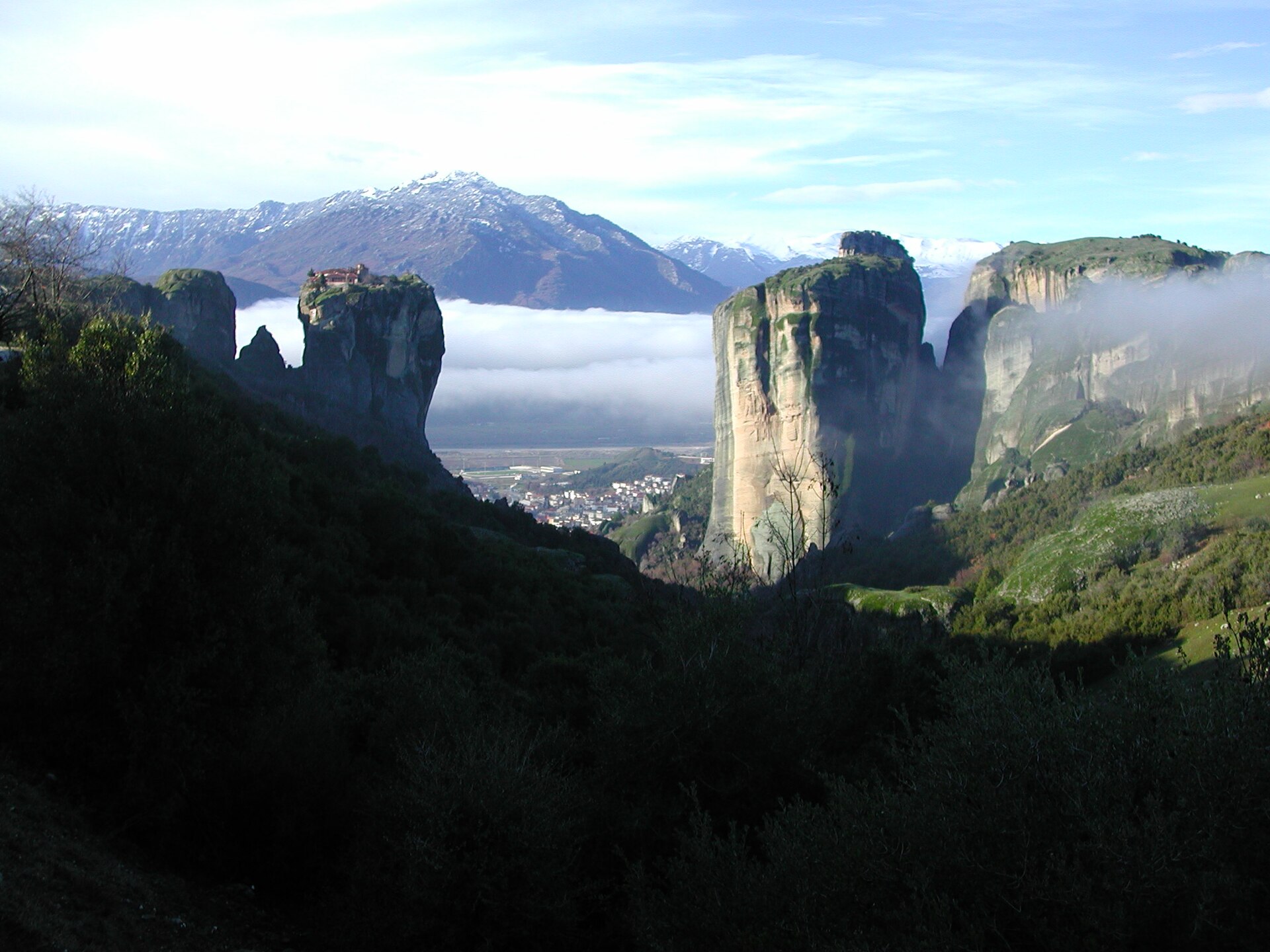
Meteora looks unreal, with peaceful monasteries balanced on top of enormous rock towers. Monks once travelled up in nets pulled by ropes, although carved stone steps now lead to the doors. In the Peloponnese, Mycenae was the home of King Agamemnon in Greek legend. Carved stone lions still guard its Lion Gate.
At the theatre of Epidaurus, the sound of a coin dropped on stage carries to the highest rows. Nafplio, an elegant seaside town of flowery lanes, sits below the Palamidi fortress. At Ancient Olympia, groups can race along the track where the Olympic Games began. Further east, the Corinth Canal slices through solid rock.
Which Greece tours make the mainland easy?
Small-group tours suit friends and book clubs who prefer a calm pace and a guide they can chat with. Full-day trips from Athens by coach suit school classes and large families, since everyone travels together and nobody has to drive. The coach waits at every site, so bags and jackets stay safely aboard.
Guided walking tours inside the sites suit history fans and curious teenagers, because a guide points out details most visitors miss. Families with small children often prefer entry tickets alone, which give them total freedom. They can explore the top archaeological sites in Greece at their own pace, with snack breaks and playtime whenever needed.
Multi-day Greece tours with hotel nights suit clubs and retired friends who want to see plenty without rushing. The route links Delphi, Meteora and the Peloponnese in a long, relaxing and scenic loop. Each evening ends in a different town with time for a stroll, and every morning opens onto a new valley.
What comes with Greece tours in the mainland?
A licensed or local guide is easily the most valuable extra on the mainland. Many ruins are now broken walls and fallen columns, so a guide helps the group imagine the temples as they once stood. Local guides also share village tales, mountain legends and the best spots for memorable group photographs.
Entry tickets come with many Greece tours here, and that matters more than it sounds. Ticket queues at popular sites grow long in summer, but a guide holding the tickets leads everyone straight inside. Nobody needs to collect money from the whole party at the busy gate, and nobody gets left behind outside.
Hotel nights come with multi-day trips, so the group never has to search for beds in an unfamiliar town. Rooms are reserved together, often on the same floor, which saves organisers hours of emails and phone calls. Leaders can then focus on the enjoyable parts of the journey instead of complicated room lists.
How do groups avoid stress in the mainland?
Coach days begin early, so pack the night before and agree on a wake-up time for everyone. Seat children near the front of the coach if winding mountain roads upset their stomachs. Choose a clear meeting spot at each site, and give every person the driver’s name and a photo of the coach.
Bring hats, water and light layers, because Delphi and Meteora feel cool and windy even when Athens is warm. Wear shoes with good grip for rocky paths and steep steps. Monasteries ask visitors to cover shoulders and knees, so pack a light scarf. Keep snacks handy for hungry teenagers between stops.
How Can Groups Get More From Greece Tours In The Cyclades?
Groups get more from Greece tours in the Cyclades by mixing a sailing day, a snorkelling stop and a slow village evening. That balance keeps sea lovers, history fans and food fans happy. Every island has its own character, so small changes to the daily plan bring big rewards for the whole group.
Which sights make the Cyclades special?
On Santorini, whitewashed villages cling to the rim of a huge flooded volcano. This giant bowl, filled by the sea, is called the caldera. Blue domes, narrow lanes and cave houses line the cliffs, and the famous sunsets draw happy crowds. On Mykonos, a graceful row of white windmills watches over the sea.
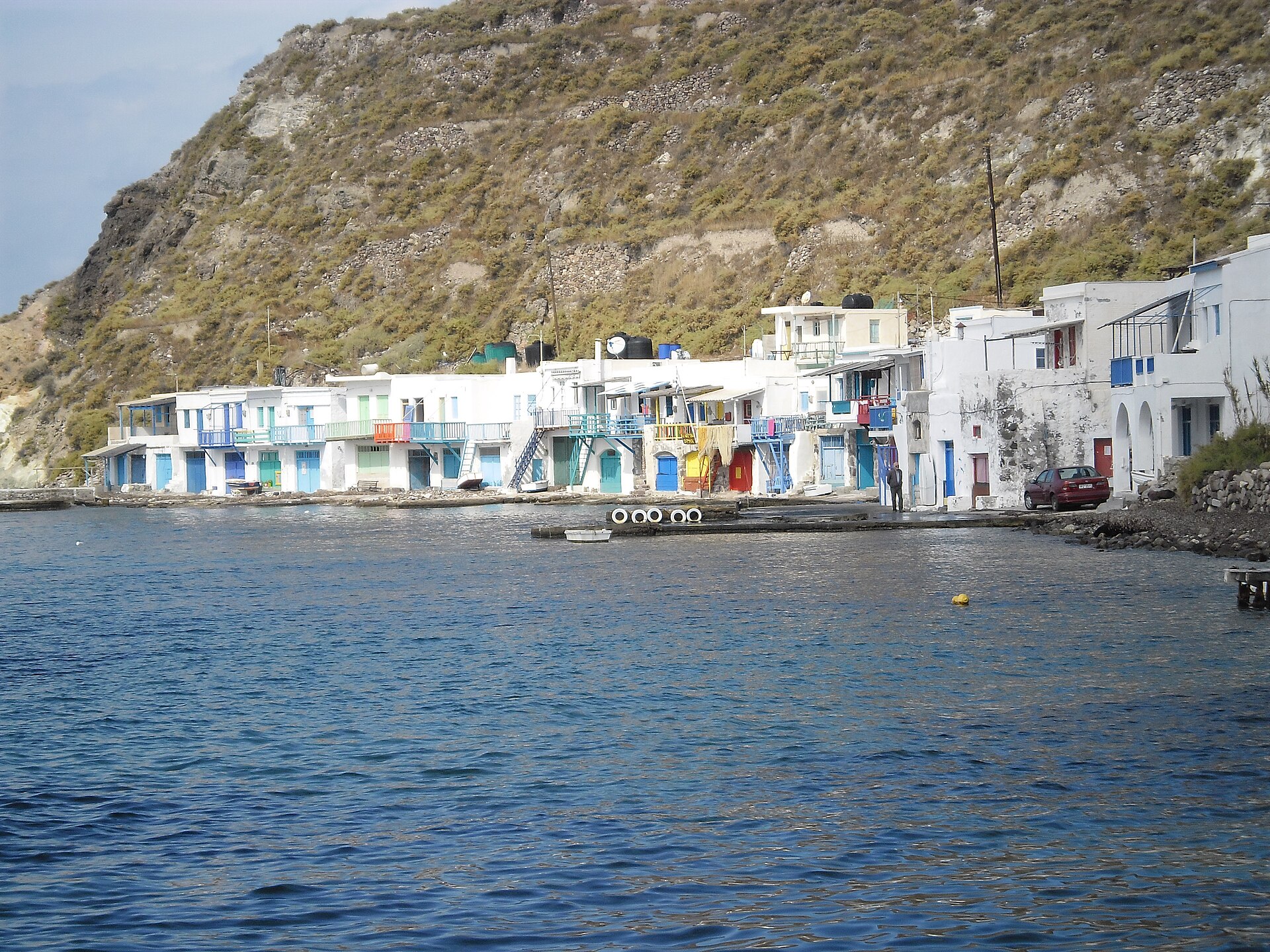
A short boat ride from Mykonos lies Delos, a sacred island in Greek mythology. Legend says the gods Apollo and Artemis were born there. Today the whole island feels like an open-air museum guarded by marble lions. Milos offers bright white rocks that resemble the moon, plus sea caves once used by pirates.
On Naxos, the old town climbs through a maze of arches and alleys to a castle built by rulers from Venice. A giant marble doorway, called the Portara, stands alone beside the harbour. On Paros, the harbour of Naoussa glows at dusk, as fishing boats bob beside tavernas and octopus dries in the sun.
Which Greece tours make the Cyclades easy?
Private tours with a driver-guide suit families and older guests who want to see Santorini’s villages without waiting for crowded buses. Private boats with a skipper suit friends and colleagues who want the deck to themselves. Both are priced per group, so sharing the cost makes them excellent value for a full party.
Boat cruises with swim stops suit every kind of group, from school classes to wedding parties. Many groups book Santorini boat cruises to sail past the dark volcano and its warm springs. Snorkel and beginner scuba trips suit teenagers and active adults who want to see colourful fish and underwater rocks up close.
Full-day trips from Athens by coach, linked to a ferry, suit groups based in the capital who want a taste of island life. Cooking classes and wine tastings suit food lovers and the quieter members of the group. On Santorini, guests taste wine from vines twisted into low baskets that protect the grapes from wind.
What comes with Greece tours in the Cyclades?
Most Greece tours by boat in the Cyclades include lunch or a generous BBQ meal cooked on deck. The smell of grilled meat and fresh bread quickly pulls everyone out of the water. Drinks are included too, and some cruises serve them without limit, so there are no bar bills to divide afterwards.
A licensed or local guide shares the myths of each island, while the crew knows which coves stay calm when the wind rises. Snorkel gear comes on board, so nobody has to pack heavy masks and fins. Swim stops in clear turquoise water quickly become the highlight for children and adults alike.
Free time to explore is a welcome gift on busy island trips. Teenagers can shop for souvenirs, parents can relax in a café, and friends can wander through the lanes. Wine tastings round off the afternoon with local flavours. Then the group gathers again at the harbour, rested and full of new stories.
How do groups avoid stress in the Cyclades?
The Cyclades are famous for strong summer winds, so keep a spare day in the holiday plan for boat trips. Morning sailings are often smoother, and seasickness tablets work best when taken before boarding. Choose a clear meeting point in every village, because the whitewashed lanes look remarkably alike and confuse newcomers.
Pack reef-safe sun cream, hats and a light shirt for the deck, since shade on boats is limited. Bring a waterproof bag for phones and cash, and wear sandals with good grip on slippery harbour steps. Keep a group chat active, and send everyone the name of the boat before the day starts.
How Do Big Groups Enjoy Greece Tours In The Large Islands?
Big groups enjoy Greece tours in the large islands by basing themselves on Crete, Rhodes, Corfu or Kefalonia. Each island blends ancient palaces, historic towns, sandy beaches and relaxing boat days. These islands are big enough to fill a whole holiday, so groups can unpack once and enjoy easy, varied day trips.
Which sights make the large islands special?
On Crete, the Minoan palace of Knossos reveals a world older than the temples of Athens. The Minoans were an early island people who loved colourful wall paintings and red columns. Legend says a monster called the Minotaur lived in a maze beneath the palace. Children love hearing that tale among the real ruins.
Chania charms visitors with its old harbour, pastel houses and a stone lighthouse at the end of a long sea wall. Elafonisi beach, on the wild southwest coast, has soft pink sand coloured by tiny broken shells. Its shallow lagoon stays warm and calm, so young children can paddle safely while parents relax nearby.
Medieval Rhodes town, a walled city from the age of castles, was once ruled by soldier-monks called knights. Lindos is a white village below a hilltop fortress. Corfu old town has Venetian forts and shady arcades. On Kefalonia, the roof of the Melissani cave collapsed long ago, so sunlight turns the underground lake bright blue.
Which Greece tours make the large islands easy?
Private tours with a driver-guide suit families and older guests on big islands like Crete, where the sights sit far apart. A private boat with a skipper suits friends who want hidden beaches to themselves. Both options are priced per group, so a full van or boat lowers the cost for each person.
Boat cruises with swim stops suit school groups and work teams who want a fun, easy day. Guided walking tours suit history lovers in the old towns of Rhodes and Corfu, where every alley hides a story. Entry tickets suit families who want to explore Knossos at their own pace, resting in the shade.
Full-day trips from Athens by coach suit groups who begin their holiday in the capital before flying to the islands. Cooking classes and wine tastings suit food lovers on Crete, where olive oil, herbs and cheese shape every meal. Groups who fall for island life often add a ferry hop to Paros as well.
What comes with Greece tours in the large islands?
Lunch or a BBQ meal comes with many Greece tours on the large islands, from Crete to Corfu. On Crete, the table fills with grilled meat, fresh salads, soft cheese, olives and warm bread. Drinks are part of most trips, and some boats pour them without limit. Nobody argues over a long bill afterwards.
A licensed or local guide makes the ruins of Knossos clear and exciting. Without a guide, the site looks like scattered stones and broken walls. Entry tickets come with many trips, so the group walks past the ticket queue. That saves energy for the long, sunny walk around the palace courtyards and storerooms.
Wine tastings showcase island grapes from the local hills, on Crete as well as Kefalonia. Swim stops let everyone cool off in clear bays between busy sightseeing stops. Together, these thoughtful extras turn a long day into a relaxing one. Organisers spend less time sorting details and more time enjoying the trip with everyone.
How do groups avoid stress in the large islands?
Large islands mean long drives, so plan only a few major sights each day, with time to rest. Start early to reach Knossos or Lindos before the heat and the crowds arrive. Lindos has steep, slippery steps up to its fortress, so wear sturdy shoes. Clearly announce a meeting point at every stop, too.
Bring water, hats, sun cream and swimwear every day, since a swim stop can appear anywhere. Keep travel sickness tablets handy for winding mountain roads. Ask the guide to share the plan in a group chat. A quick head count at each stop keeps the group together and the mood relaxed.
Conclusion: Best Greece Tours For Groups Who Love Travel, Planned Well
Greece rewards groups that plan carefully and stay curious. The capital offers temples and museums, while the mainland offers legends among the mountains. The Cyclades add white villages and blue water, and the large islands add palaces, historic towns and pink sand. Well-chosen Greece tours connect everything with guides, meals, tickets and swims.
Choose trip types that suit every member, from keen walkers and strong swimmers to curious food lovers. Check the best time to visit Greece before booking, and plan each day around the summer heat. With the right mix of Greece tours, every family, club, class or team returns home happier and closer than before.
Frequently Asked Questions About Best Greece Tours For Groups Who Love Travel
Do Greece tours include hotel pickup?
Many Greece tours include hotel pickup in Athens and on the large islands, especially private trips and coach excursions. Some boat cruises meet at the harbour instead, so the group arranges a taxi or a short walk. Organisers should confirm the meeting point when booking, so nobody waits in the wrong place.
Do Greece tours run in all weather?
Most Greece tours run in light rain or wind, because the ruins and museums stay open. Boat cruises are different, since captains cancel sailings for safety when the sea turns rough. In that situation, groups receive a new date or a refund, so keeping a spare day in the plan removes the worry.
Can Greece tours start from a cruise port?
Yes, many Greece tours start right at the cruise port in Piraeus, Santorini, Mykonos, Corfu, Rhodes or Heraklion. Guides meet the group near the ship and bring everyone back well before departure. These shore excursions suit big groups with a short stay in port and a long wish list of famous sights.
Are Greece tours good value for groups?
Yes, Greece tours offer strong value for groups, because private trips are priced per group rather than per person. A full van or boat divides the cost among many travellers, so bigger groups save more. Meals, drinks, tickets and guides often come bundled too, which keeps the shared budget clear, simple and free of surprises.
How early should groups book Greece tours?
Groups should book Greece tours as early as possible, especially for summer travel, school trips and large parties. Private boats, coaches and cooking classes fill up quickly during the busy summer season. Early booking also gives organisers time to collect names, check special dietary needs and share the final plan with everyone.
Do Greece tours include lunch?
Many Greece tours include lunch, especially boat cruises, island excursions and full-day coach trips from Athens. Boat days often serve a BBQ meal on deck, while village trips stop at a traditional family taverna. Groups should read the details of every trip carefully and pack light snacks for any days without a meal.
How do groups plan rest around Greece tours?
Groups plan rest around Greece tours by balancing full sightseeing days with slower days and keeping the hottest part of the afternoon free. A rested group walks further, enjoys more and argues less. Rest is not wasted time; it is the energy that keeps the whole holiday enjoyable.
Build slow days into the plan
Long days on coaches and at ruins tire people out, even the most energetic travelers. A sensible rule is to follow every busy day with a lighter one, like a beach swim or a relaxed lunch. Those quieter days often become the moments people remember most.
Villages make great rest stops because daily life there moves at a gentle, unhurried pace. The list of traditional Greek villages to visit gives groups ideas for calm half days away from the crowds. Members sit in shaded squares, order coffee and watch local life go by.
Big groups often mix people with very different energy levels. Grandparents, small children and enthusiastic hikers rarely want the same pace. Slow days let everyone recover before the next round of Greece tours, so nobody falls behind.
Rest days also give the group time to talk about what comes next. Over a long lunch, members can vote on which Greece tours to keep and which ones to drop. Shared decisions keep everyone satisfied and prevent small disagreements from growing.
Protect the afternoon and the evening
Greek summers are hot, and the strongest sun comes in the early afternoon. Many Greece tours start early, so groups explore the main attractions before the temperature climbs. After lunch, a quiet rest at the hotel or a refreshing swim keeps everyone comfortable.
Evenings matter too, since Greek dinners start late and last a long time. Groups that plan an early night before a big excursion enjoy the following day far more. A shared calendar shows which nights are for fun and which are for sleep.
Hotel location affects rest as well. Staying close to the next meeting point reduces early alarms and stressful transfers. It also gives tired members an easy way back if they decide to skip a stop.
A good rhythm for Greece tours is simple: sights in the cool morning, rest in the hot afternoon and food in the evening. Groups that follow this pattern stay cheerful and energetic for the entire holiday. It also matches the way Greek families live in summer.
How do groups pick a meeting point for Greece tours?
Groups pick a meeting point for Greece tours by choosing one central, easy spot that every member can reach on foot. Many tours offer hotel pickup, but a single shared point saves time when friends stay in different places. It also stops the guide from waiting outside several doors.
Choose a spot everyone can find
The best meeting points are well-known landmarks, such as a main square, a large hotel lobby or a port gate. Clear landmarks stop people from getting lost in narrow streets. Organizers should share a map pin with every member the evening before.
Old town centers can be tricky because many lanes look almost the same. Before Greece tours that begin near famous monuments, a practical guide to ancient Greek ruins helps groups understand the layout. Knowing which gate is the main entrance prevents unnecessary confusion.
Some groups stay across several hotels in the same town. In that case, the meeting point for Greece tours should sit between them, not beside one hotel. Fair walking distances keep everyone in a good mood from the start.
Plan for time, phones and late arrivals
Groups do well to name one leader who counts heads and keeps the guide’s phone number. That person also calls the guide quickly if someone is running late.
Mornings at popular attractions get busy, so tour coaches follow a tight schedule. A missed start can mean a missed visit for the whole group. Setting alarms and laying out clothes the night before makes early Greece tours far less stressful.
Photography fans often wander away to capture the perfect shot. Simple photography tips for Greece tours remind them to shoot quickly and rejoin the others. A fixed regrouping spot after each stop keeps everyone together.
Groups should also agree on a backup plan. Anyone who gets lost goes back to the last meeting point and calls the leader. This simple rule keeps Greece tours calm, even in the busiest crowds.
How do groups decide between private and shared Greece tours?
Groups decide between private and shared Greece tours by comparing group size, budget and how much control they want over the daily pace. Large groups often fill a private tour on their own. Smaller groups usually save money by sharing with other guests.
When a private tour makes sense
A private tour belongs to the group, so the itinerary bends to fit their needs. The guide can slow down for older relatives or add a stop that children love. Big families and company groups often choose this option for comfort and flexibility.
Private Greece tours also suit groups with a shared passion. Art lovers can spend longer in galleries after reading a Greek art and museums guide. A wine club can spend a whole day in the popular wine regions in Greece.
The cost per person for a private tour drops as the group grows. For a big group, it can cost about the same as shared seats. Organizers should request a detailed quote and compare both options fairly.
Private tours also make special days easier. A birthday, a family reunion or a company reward trip feels more personal with its own guide and van. Many private Greece tours can add a surprise stop or a long party lunch.
When a shared tour works better
Shared Greece tours mix the group with other guests on a fixed itinerary. They usually cost less per person and still include a professional guide. For small groups of friends, this is often the easiest and most affordable choice.
Shared tours also bring a social element that many groups enjoy. Meeting other travelers over lunch adds fresh stories and new friends to the trip. Groups that like a lively atmosphere and new faces often prefer this style.
Shared tours do have limits. The route and timing stay fixed, so the group cannot stop wherever it likes. Groups with young children or slower walkers should check the pace of shared Greece tours before booking.
The right answer depends on what the group values most. Before booking either style, organizers can check a few simple points.
- How many seats the group needs
- Whether the pace suits older members
- Which stops are fixed or flexible
- Whether hotel pickup is included
- How long each stop lasts
Why do guided Greece tours help groups?
Guided Greece tours help groups because a licensed guide explains the history, sorts out the details and keeps everyone safely together. Nobody has to read signs, carry tickets or watch the clock. Members simply relax and enjoy the day together.
Licensed guides bring old stories to life
In Greece, only state-licensed guides may lead groups inside archaeological sites, which are places where old ruins are dug up and studied. The same rule applies inside museums. These guides complete official training before they can work.
A good guide turns broken stones into living stories. They explain who built each temple and why it mattered to people at the time. A short read of Greek history you should know before the trip helps everyone follow along.
Buildings tell their own stories too. Columns, roofs and friezes, which are carved bands of stone pictures, each have a meaning. Reading about famous Greek architecture explained in simple terms gives groups a head start before Greece tours begin.
Legends add extra excitement to every visit, from gods on mountain tops to heroes lost at sea. Groups who love these tales can plan stops around the top Greek mythology sites. A guide to Greek legends and historical sites links each story to a real place.
Guides handle the hard parts
Tickets, entry lines and transport take a lot of effort for a big group. On guided Greece tours, the guide manages these details while the group chats and relaxes. This frees the trip leader from playing travel agent all day.
Guides also keep everyone safe and together. They count heads, warn about slippery marble and know where to find shade and drinking water. Local experience matters even more on active days, like the adventure activities in Greece on land and sea.
Local guides also know where Greek families actually eat. They lead groups past tourist traps to busy stalls and family tavernas, which are small, traditional Greek restaurants. Groups who love food can combine Greece tours with a city-by-city list of food markets to visit in Greece.
In the end, a guide turns a busy group outing into a smooth, shared memory. Everyone learns more, worries less and goes home with the same wonderful stories. That is why so many groups book guided Greece tours again and again.
Which Greece tours suit history fans?
History fans enjoy Greece tours that visit ancient sites such as the Acropolis, Delphi and Olympia with a licensed guide. These Greece tours turn old stones into exciting stories that the whole group shares. Even members who found history boring at school often change their minds.
Ancient sites near Athens and beyond
Athens is the natural starting point for history-themed Greece tours. The Acropolis, a rocky hill topped by ancient temples, rises above the modern city and its busy streets. Group walks through the old neighborhoods below show how ancient and modern life mix together.
Many famous sites sit within easy reach of the capital. Popular day trip ideas from Athens include Delphi, where ancient Greeks asked an oracle, a holy priestess, about the future. Other trips head south to Mycenae, home of a powerful early kingdom.
Olympia, birthplace of the ancient Olympic Games, delights sports fans of every age. Groups can stand on the old running track and picture the crowds cheering long ago. Some friends even race each other down the track for fun.
On the island of Crete, the palace of Knossos shows a much older world. Guides explain the Minoans, an early island people known for bright wall paintings. Well-planned Greece tours link these places into one clear story.
Monasteries, walks and old towns
History in Greece is not only ancient. Byzantine churches, built when the Eastern Roman Empire ruled Greece, fill many towns with golden icons, which are holy paintings. Medieval castles and stone towers also guard hilltops across the country.
Meteora is a highlight on many Greece tours for history lovers. Monasteries sit on top of tall rock pillars, and monks still live and pray there today. Before visiting, groups should learn how to visit Greek monasteries, including the simple dress rules for shoulders and knees.
Walking is one of the best ways to feel history up close. Greece walking tours lead groups through old town lanes, past hidden chapels and ancient ruins. A good guide on foot points out details that coach passengers miss.
History fans should pack comfortable shoes, sun hats and plenty of water. Ancient sites have uneven stones and little shade. Starting early helps groups enjoy Greece tours before the strongest heat arrives.
Which Greece tours suit beach lovers?
Beach lovers enjoy Greece tours on the islands that combine boat trips, swimming stops and relaxed time on clean, clear shores. With so many islands, every group finds a beach that matches its style. Some prefer lively shores, while others want quiet coves.
Boat days and island hops
Boat trips on Greece tours are the easiest way for a big group to see several beaches in one day. Many boats stop at bays that roads do not reach, so swimmers jump straight into deep blue water. Snorkels and masks make these stops even more exciting.
Groups based in the capital can still enjoy the sea. Greece island tours from Athens reach nearby islands such as Aegina, Poros and Hydra in a single day. These short trips mix swimming, seafood lunches and pretty harbor towns.
For longer Greece tours, groups can hop between several islands. Learning how to travel between Greek islands by ferry or plane helps organizers build smooth routes. Fast ferries save time, while slower boats offer cheaper seats and open decks.
Sunset cruises are a favorite finale on many Greece tours. Friends gather on deck with drinks and music while the sky turns orange and pink. These evening trips suit birthdays, reunions and company celebrations.
Choosing the right beach
Each island group has its own beach style. The Cyclades, the circle of islands in the middle of the Aegean Sea, offer golden sand, white villages and strong summer winds. The Ionian islands in the west have green hills and calm, turquoise water.
Crete has long beaches, from pink-tinted sand to palm-lined bays. Milos is famous for white volcanic rocks that look like the surface of the moon. These special places make beach-focused Greece tours feel like real adventures.
Big groups have mixed needs, so the perfect beach offers something for everyone. Before choosing, organizers can look for a few useful features.
- Shallow water for young children
- Sunbeds and umbrellas for older relatives
- Beach bars for lively friend groups
- Quiet coves for calm reading time
- Water sports for active teenagers
Respect keeps these beaches beautiful for everyone. Simple ideas for sustainable travel in Greece remind groups to take their litter away and protect turtle nesting beaches. On Zakynthos, for example, sea turtles lay their eggs in the sand during summer.
Which Greece tours suit food lovers?
Food lovers enjoy Greece tours that include cooking classes, market visits, wine tastings and lunches in family tavernas, which are small local restaurants. Greek food is made for sharing, which suits groups perfectly. Every meal becomes a chance to talk, taste and laugh together.
Cooking classes and shared tables
Cooking classes are a favorite part of Greece tours for groups of friends and families. A local cook shows everyone how to roll pastry, fold pies and prepare fresh salads. Afterwards, the group sits down together and eats everything it made.
Greek meals often start with meze, a spread of small plates placed in the middle of the table. Everyone reaches in and tries a bit of each dish, from creamy dips to grilled octopus. This relaxed style of eating makes food-focused Greece tours perfect for big groups.
Olive oil, honey, cheese and wine sit at the heart of Greek cooking. Many farms welcome groups to taste their products and see how they are made. Visiting an olive grove or a cheese maker teaches more than any recipe book.
Wine tastings add another layer to food-focused trips. On Santorini, grapes grow in low, basket-shaped vines that protect them from strong winds. Nemea, in the southern mainland, and the hills of northern Greece also welcome groups for tastings.
Food trails beyond the big cities
Some of the best flavors hide in small mountain villages. Exploring hidden gems beyond the tourist trails leads groups to bakeries, family farms and village festivals that few visitors find. Local cooks there still follow recipes passed down from their grandparents.
Road trips also work well for hungry groups. The scenic drives in mainland Greece pass olive groves, vineyards and roadside stalls selling fresh fruit and honey. Stopping for a long village lunch turns a simple drive into a real feast.
Crete deserves special attention from food lovers. The island is famous for its olive oil, mountain herbs, fresh cheeses and simple, healthy dishes. Food-focused Greece tours on Crete often end with a glass of raki, a strong local spirit.
Before Greece tours begin, groups with dietary needs should tell the organizer. Greek kitchens use plenty of vegetables, beans and olive oil, so vegetarians eat very well. Clear notes about allergies help hosts prepare safe dishes for everyone at the table.
Which Greece tours suit nature lovers?
Nature lovers enjoy Greece tours that explore gorges, mountains, lakes and protected wetlands on foot, by train or by boat. Away from the beaches, Greece is full of wild green places. These landscapes give groups fresh air, quiet trails and amazing views.
Gorges, mountains and wild places
Greece is a very mountainous country, with peaks rising behind many beaches and towns. Mount Olympus, the legendary home of the ancient gods, is the highest mountain in the country. Guided hikes on its lower trails suit fit groups of friends.
Gorges are deep, narrow valleys cut by rivers over a very long time. The Samaria Gorge on Crete and the Vikos Gorge in the north-west draw keen walkers every summer. Groups should check fitness levels before booking these long, rocky Greece tours.
Protected areas keep these landscapes healthy. A guide to the nature reserves to visit in Greece helps groups find wetlands, forests and quiet lakes. Bird lovers can watch pelicans on the Prespa lakes or flamingos in coastal wetlands.
Walking slowly through nature also helps groups bond. Without screens and traffic, people talk more and notice small details together. Some nature-focused Greece tours end with a picnic in a shady meadow.
Green trains and eco stays
Not every group wants hiking-heavy Greece tours. The best scenic train rides in Greece let groups enjoy mountain views from comfortable seats. The small mountain railway between Diakopto and Kalavryta climbs through a deep green gorge beside a rushing river.
Where groups sleep also shapes the trip. Eco-friendly accommodations in Greece include stone guesthouses, farm stays and small lodges that use solar power and local food. These places help nature lovers rest without harming the land they came to see.
Responsible habits matter on every nature trip. Groups should stay on marked paths, carry out all rubbish and keep noise low near wildlife. These small actions protect wild Greece for the next visitors.
Spring brings wildflowers to the hillsides, while autumn offers cooler air for hiking. Planning Greece tours around these seasons gives nature lovers the most rewarding days. Summer still works well near the sea or high in the mountains.
Which places do Greece tours for groups visit?
Greece tours for groups visit sunny Cyclades islands, famous ancient sites on the mainland and larger islands with plenty of room to explore. Many trips mix all three, so every member finds a personal favorite. The lists below show what each place is best known for.
Islands
The Cyclades are the classic picture of Greece, with white houses, blue domes and bright, clear sea. Ferries link these islands, so Greece tours for groups can visit more than one in a single week. Each island has its own mood, from lively nightlife to quiet sandy bays.
- Santorini: cliff-top villages, black volcanic beaches and sunsets over a sunken volcano
- Mykonos: windmills, lively beach clubs and the charming streets of Little Venice
- Naxos: long sandy beaches, mountain villages and the giant marble Portara gateway
- Milos: colorful fishing villages and white, moon-like rocks at Sarakiniko beach
- Ios: golden beaches, a hilltop old town and a lively, youthful nightlife
Mainland
The mainland holds the great ancient sites that fill school history books. Good roads connect them, so groups travel together in comfort between stops. On mainland Greece tours, a licensed guide brings each ruin to life with stories of gods, kings and athletes.
- Athens: the Acropolis, excellent museums and lively neighborhoods full of tavernas
- Delphi: mountain ruins where ancient Greeks asked a priestess about their future
- Meteora: monasteries perched on giant rock pillars above a wide green valley
- Olympia: the birthplace of the ancient Olympic Games, with an old stadium
- Mycenae: the fortress of legendary King Agamemnon and its famous Lion Gate
Large islands
The large islands feel like small countries, with mountains, towns and beaches all in one place. Groups can base Greece tours around a single hotel and take easy day trips from there. This saves packing time and suits big families with young children or older grandparents.
- Crete: the ancient palace of Knossos, deep gorges and long sandy beaches
- Rhodes: a walled medieval town, the white village of Lindos and warm beaches
- Corfu: green hills, an elegant old town and calm, clear swimming bays
- Kefalonia: white-pebble beaches, sea caves and an underground lake visited by boat
How do groups plan Greece tours over seven days?
Groups plan Greece tours over seven days by starting in Athens, adding a mainland trip and ending on the islands. This simple shape balances history, scenery and beach time without rushing anyone or wearing out older members. A sample seven-day Greece itinerary for Athens, Santorini and Mykonos shows how the pieces fit together.
Start the week in Athens
Athens is the natural first stop because the main international airport sits just outside the city. Groups arrive, check in and take an easy evening walk through the Plaka, the old quarter under the Acropolis. A relaxed dinner on a rooftop terrace makes a perfect welcome.
The first full day belongs to the Acropolis and its modern museum. Starting early beats the heat and the biggest crowds. A licensed guide explains the Parthenon, the great marble temple built for the goddess Athena, and the stories carved into its stones.
The afternoon can stay flexible for shopping, napping or exploring the busy central market with its colorful stalls. In the evening, friends gather in a lively neighborhood for meze, small shared plates, and live music. Athens rewards groups who slow down and enjoy everyday city life.
With a free morning, groups can watch the changing of the guard at Syntagma Square, the main square in front of the Parliament. Soldiers in traditional skirts and pom-pom shoes march in slow, careful steps. Children and adults alike find the ceremony fascinating.
Some groups prefer to plan everything themselves. Advice on self-guided Greece itinerary planning helps them book transport, choose hotels and set a comfortable daily pace. Others mix guided Greece tours with free days to enjoy the best of both styles.
Add the mainland in the middle
After Athens, a mainland trip adds variety to Greece tours. Delphi sits on a mountain slope above a valley full of olive trees, and it works well as a long day trip. Groups travel by comfortable coach and return to Athens in time for dinner.
Groups with more energy can head north to Meteora instead. This trip usually needs an overnight stay in a nearby town, since the drive is long and the monasteries deserve time. Visitors should dress modestly, covering shoulders and knees, before entering these holy buildings.
Another option heads into the Peloponnese, the large southern part of the mainland. Many Greece tours combine Mycenae, the ancient theater of Epidaurus and the seaside town of Nafplio in one day. This route suits groups who want history and a sea view at lunch.
Coach travel on the mainland is also a chance to rest. The landscape changes from olive groves to green mountains, and guides share stories along the way. Short stops at roadside cafés for coffee and fresh pastries break up the journey nicely.
Whatever the choice, the mainland day should stay in the middle of the week. That way, tired legs recover on the island beaches afterwards. It also keeps the beach days as a well-earned reward at the end of a busy week.
End the week on the islands
The last part of the week belongs to the sea. Many groups choose Santorini, Mykonos or both, since ferries and short flights link them to Athens. Arriving by ferry gives everyone a first view of the islands from the deck.
Santorini works well for sunset views, wine tastings and boat trips around the volcano. Mykonos adds sandy beaches, windmills and a lively evening scene that friend groups love. Splitting the island days between both gives the group two very different moods.
Groups that prefer quieter places can swap one island for Naxos or Milos. A guide to Greek island hopping explains ferry routes, timing and how to move luggage between ports. Booking ferry seats together keeps the group side by side on the boat.
Groups who want more beach time can skip a busy island and stay longer on one. Fewer hotel changes mean less packing, fewer early starts and more time for swimming. A slower pace often makes the whole week feel longer and richer.
The final evening deserves a special group dinner by the water. Friends share their favorite moments and start planning their next Greece tours together. A ferry or a short flight back to Athens then connects everyone to their flights home.
More questions about Greece tours for groups
Groups often ask the same simple, practical questions before booking Greece tours, from shoes and photos to tipping and language. The short answers below help organizers plan with confidence and avoid last-minute surprises.
Can groups add free time to Greece tours?
Yes, groups can add free time to Greece tours by asking for longer stops or leaving open afternoons between guided days. Private tours make this especially easy, since the group sets its own pace. Free time lets members shop for souvenirs, swim in the sea or simply rest in the shade.
Which shoes suit Greece tours?
Comfortable walking shoes with good grip suit Greece tours best, because ancient sites and old towns have slippery marble and uneven stones. Light sandals work well for beaches, boat days and relaxed evenings in town. High heels and thin flip-flops turn long walks around hilltop ruins into a tiring and risky job.
Can friends join Greece tours from different hotels?
Yes, friends staying in different hotels can join the same Greece tours by meeting at one central pickup point or booking several pickups. Organizers should share every hotel address and contact number when booking the tour. Clear plans keep the start of the day smooth, calm and on time for everyone.
Is tipping expected on Greece tours?
Tipping on Greece tours is not required, but groups often leave a small tip for guides and drivers who made the day special. Many groups collect a shared amount near the end of the trip and hand it over together. This simple thank-you is always warmly received by the people who looked after them.
Do Greece tours stop for photos?
Yes, Greece tours stop for photos at scenic viewpoints, and guides know the best spots for group pictures. Groups can ask the guide to take one shot of everyone together, with the sea or ruins behind. Early morning and late afternoon light give the softest, warmest colors.
Do Greece tours run in English?
Yes, most Greece tours run in English, and many licensed guides also speak other languages such as French, German, Italian or Spanish. Groups should mention their preferred language when booking. Private tours make it easy to request a guide who speaks the group’s own language fluently.
See more in Sexaki:
- Escort Ηλιούπολη: Πλήρης Οδηγός για Συνοδούς στα Νοτιοανατολικά Προάστια
- Escort Σύνταγμα: Πλήρης Οδηγός για Συνοδούς στο Κέντρο της Αθήνας
- Κανόνες συμπεριφοράς και etiquette: Πώς να προετοιμαστείς για μια άψογη εμπειρία
- Sugar Daddy Αθήνα – Πλήρης Οδηγός για τη Σχέση Sugar – Sexaki
- 25 Σέξι Μηνύματα σε Escorts για να Ξεκινήσετε μια Άτακτη Συνομιλία